
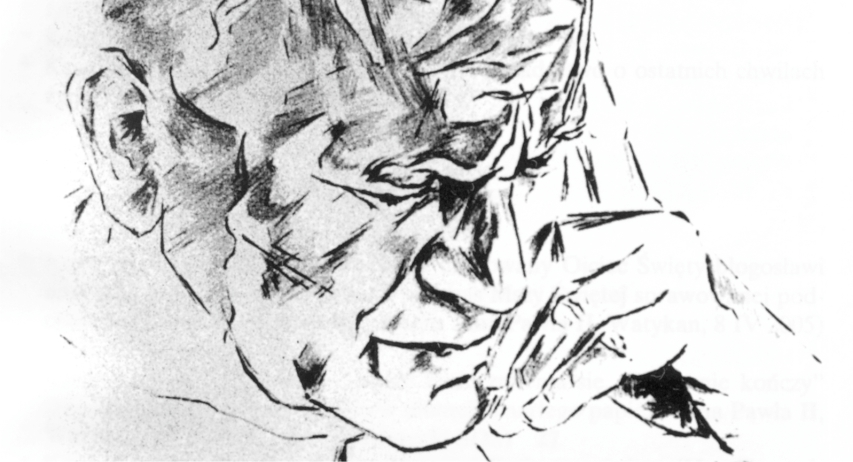

Kilar – Moniuszko naszych czasów
Leszek POLONY
Badacz niezależny , PolskaAbstrakt
Autor szkicu nawiązuje do wyrażonego przez Wojciecha Kilara pragnienia, by w dziedzinie muzyki symfonicznej, koncertowo-filharmonicznej, stać się twórcą tej miary, co Stanisław Moniuszko w dziedzinie opery. Wykazuje, że obu kompozytorów łączy podobna postawa twórcza oraz że ze względu na swoje osiągnięcia i rolę, jaką odegrał Kilar w polskiej muzyce, w pełni zasługuje on na miano współczesnego Moniuszki.
Słowa kluczowe:
Wojciech Kilar, muzyka współczesna, muzyka autonomiczna i użytkowaBibliografia
Berger, Karol. Potęga smaku: Teoria sztuki. Translated by Anna Tenczyńska. Gdańsk: słowo/obraz terytoria, Gdańsk 2008.
Gadamer, Hans-Georg. Aktualność piękna: Sztuka jako gra, symbol i święto. Translated by Krystyna Krzemieniowa. Warszawa: Oficyna Naukowa, 1993.
Heidegger, Martin. Bycie i czas. Translated by Bogdan Baran. Warszawa: Wydawnictwo Naukowe PWN, 2004.
“O muzyce polskiej na Festiwalu (Wypowiedzi Ludwika Erhardta, Tadeusza Kaczyń-skiego, Władysława Malinowskiego, Olgierda Pisarenki, Tadeusza A. Zielińskiego).” Ruch Muzyczny 18, no. 23 (1974): 3–12.
Ricoeur, Paul. Egzystencja i hermeneutyka. Translated by Karol Tarnowski. In Paul Ricoeur, Egzystencja i hermeneutyka: Rozprawy o metodzie. Translated by Ewa Bieńkowska et al. Warszawa: Instytut Wydawniczy Pax, 1975.
Wieroński, Marek. Utwory wpisane w tradycję i współczesność. BeArTon, https://www.bearton.pl/pl/kilar-orawa-koncert-fortepianowy-krzesany/.
Badacz niezależny